Cricket has always been a blend of athletic skill, strategy, and innovation. Over the years, technological advancements have reshaped how players train, analyze opponents, and execute strategies. One of the most exciting innovations is AI vision technology, which is now poised to transform fast bowling like never before. This technology enables bowlers to analyze biomechanics, optimize speed, and refine accuracy, making fast bowling smarter, faster, and more effective.
In this blog, we explore the future of fast bowling with AI vision tech, how it works, its benefits, and its potential impact on the game.
1. Understanding AI Vision Technology in Cricket
AI vision technology uses cameras, sensors, and artificial intelligence algorithms to track and analyze a player’s movement. For fast bowlers, this technology can:
- Monitor bowling mechanics: Track shoulder rotation, arm action, and release points.
- Analyze ball trajectory: Assess speed, swing, seam position, and bounce.
- Evaluate consistency: Identify variations in line, length, and pace.
- Predict opponent reaction: Anticipate batsmen’s responses and weaknesses.
By combining visual data with AI-driven insights, bowlers can identify areas for improvement that were previously invisible to coaches and players.
2. How AI Vision Tech Enhances Fast Bowling
a) Perfecting Bowling Mechanics
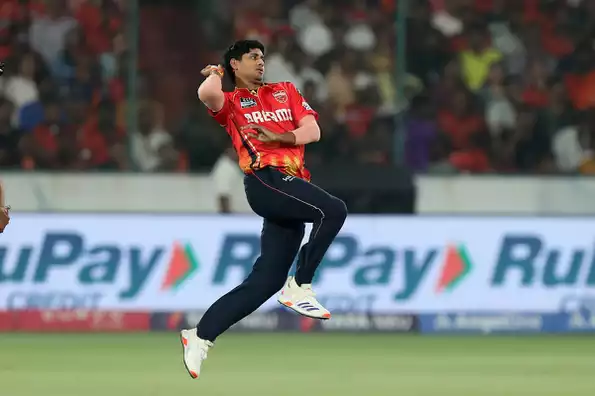
AI vision can capture micro-movements during a delivery stride, helping bowlers correct flaws and reduce injury risk. For example, minor errors in wrist position or follow-through can be detected instantly, allowing for data-driven adjustments.
b) Optimizing Speed and Power
Through biomechanical analysis, AI can determine the optimal body movements to maximize pace without compromising control. Fast bowlers can train to increase speed while maintaining accuracy, a balance that often defines elite performers.
c) Enhancing Swing and Seam Bowling
AI algorithms can simulate how different wrist angles, seam positions, and release points affect swing and seam movement. Bowlers can experiment virtually and replicate the most effective deliveries in practice sessions.
d) Tactical Game Planning
AI vision tech can analyze batsmen’s weaknesses against fast bowling, enabling bowlers to plan sequences of deliveries. By predicting how a batsman might react to a yorker, bouncer, or slower ball, AI provides a strategic advantage before stepping onto the field.
3. Benefits for Fast Bowlers
- Precision Improvement: AI detects even minor inconsistencies, enhancing line and length control.
- Injury Prevention: Motion analysis identifies high-risk movements that could lead to stress injuries.
- Customized Training: Bowlers receive personalized plans based on their biomechanics and performance data.
- Mental Preparation: AI simulations help bowlers visualize scenarios, improving decision-making under pressure.
- Competitive Edge: Players using AI tech gain insights that traditional coaching may not offer, giving them an edge in matches.
4. Real-World Applications in Cricket
- Indian Premier League (IPL): Some franchises have begun integrating AI vision for training fast bowlers, especially during pre-season camps.
- National Teams: Teams like India, Australia, and England are investing in AI-driven analytics to optimize player performance.
- Fast Bowling Academies: Emerging talent is using AI vision to refine techniques and increase bowling efficiency at a young age.
These applications demonstrate how AI is moving from experimental use to mainstream adoption in cricket training.
5. AI Vision and the Future of Fast Bowling
The future of fast bowling will likely involve a combination of human skill and AI-powered insights. Key trends include:
- Real-Time Performance Tracking: Wearable AI sensors may provide instant feedback during matches, helping bowlers adapt strategies on the fly.
- Virtual Reality Integration: Fast bowlers could practice against AI-modeled batsmen, simulating real-match pressure.
- Predictive Analytics: AI could predict optimal bowling strategies against specific opponents, enhancing match-day decision-making.
- Global Talent Development: AI tech can identify promising bowlers worldwide, allowing emerging talent to receive elite-level training early in their careers.
The combination of science, data, and instinct will redefine how bowlers train, plan, and execute fast bowling in the coming years.
6. Challenges and Considerations
While AI vision tech offers immense potential, there are challenges:
- Cost and Accessibility: Advanced AI systems are expensive, limiting availability for smaller teams or amateur players.
- Data Privacy: Tracking biometric data raises privacy and ethical concerns.
- Balancing Technology and Skill: Over-reliance on AI could affect a bowler’s natural instincts and creativity.
Despite these challenges, the benefits of AI in fast bowling far outweigh the limitations, making it a revolutionary tool for cricket’s future.
Conclusion: AI Vision – Bowling Smarter, Faster, and Better
The future of fast bowling is bright, and AI vision technology is leading the transformation. By offering insights into biomechanics, trajectory, and tactics, AI enables bowlers to perfect their craft with precision and strategy. From injury prevention to enhanced game planning, the integration of AI into cricket is helping bowlers train smarter, execute better, and outthink batsmen.
As technology evolves, the fast bowlers of tomorrow will be more informed, more accurate, and more adaptive than ever before. Whether in T20 leagues, ODIs, or Test cricket, AI vision is set to become an indispensable part of fast bowling mastery, shaping the next generation of cricketing legends.