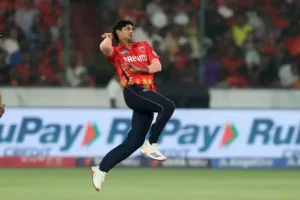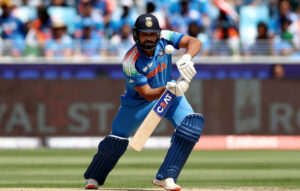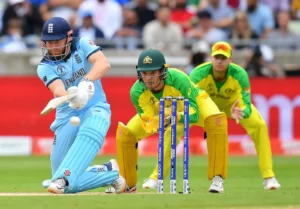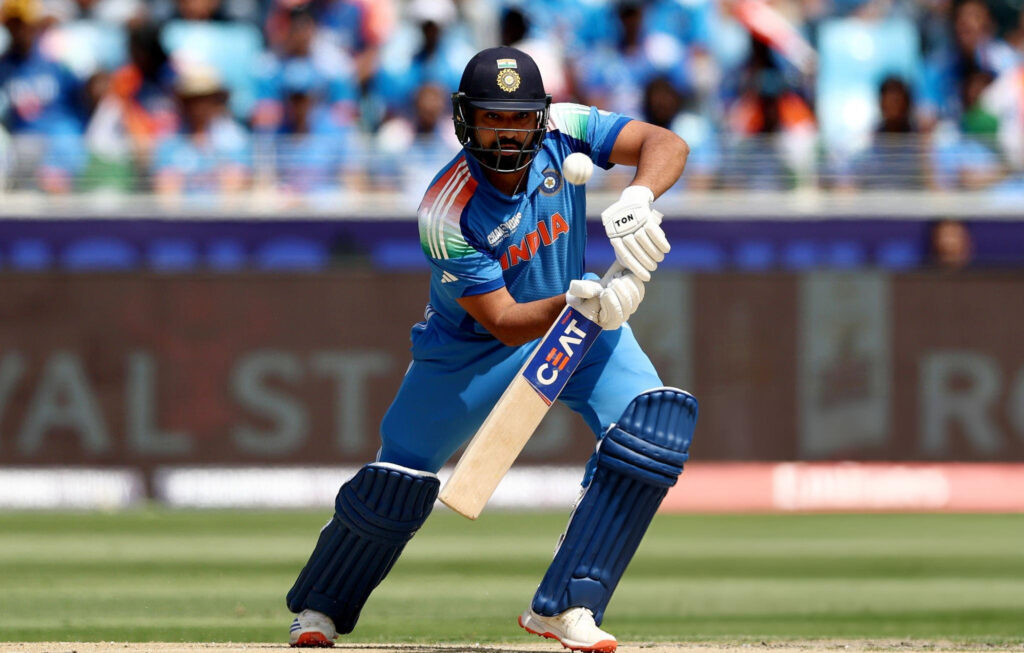
Cricket is often seen as a battle between bat and ball, but the real magic lies in the mind games that unfold on the pitch. While batsmen strategize their shots, bowlers are constantly analyzing, predicting, and outsmarting their opponents. The ability to read a batsman’s intentions, weaknesses, and mindset is a crucial skill that separates good bowlers from great ones. This skill is commonly referred to as the bowler’s vision.
In this blog, we explore the importance of reading a batsman, the techniques bowlers use, and why mastering this skill is essential for success in cricket.
1. What Is the Bowler’s Vision?
The bowler’s vision is more than physical eyesight; it is a mental and strategic skill. It involves:
- Observing body language: Foot placement, stance, grip, and bat movement.
- Analyzing tendencies: Preferred shots, strengths, weaknesses, and patterns.
- Anticipating decisions: Predicting whether a batsman will play defensively or attack.
A bowler with sharp vision can plan each delivery to exploit weaknesses and force mistakes.
2. Why Reading a Batsman Matters
Reading a batsman is critical for several reasons:
a) Strategic Advantage
- Bowlers can adjust lines and lengths according to the batsman’s style.
- They can set fields specifically to trap the batsman into making errors.
- Reading intentions allows for the execution of plans like bouncers, yorkers, or slower balls effectively.
b) Mental Pressure
- A bowler who understands a batsman’s mindset can increase psychological pressure.
- By anticipating shots, bowlers can bowl deliveries that frustrate and provoke mistakes.
- Mental pressure often leads to wickets without relying solely on pace or spin.
c) Adaptation in Real Time
- Every batsman adapts during an innings.
- Reading a batsman helps bowlers change strategies mid-game, ensuring they stay one step ahead.
3. Techniques to Read a Batsman
a) Observing Stance and Grip
- Open stance vs. closed stance can indicate preferred shots and strengths.
- Grip pressure often signals confidence or tension, which bowlers can exploit.
b) Watching Footwork
- Quick forward movement may indicate drive shots or aggressiveness.
- Backfoot movements suggest readiness for short balls, cuts, or pulls.
- Foot placement often predicts shot selection before the bat moves.
c) Studying Past Patterns
- Bowlers review past performances to identify recurring habits.
- Patterns like favouring off-side drives or hooking short balls can be anticipated.
- Historical data helps in field placement and delivery planning.
d) Mental Observation
- Subtle cues, like glances at fielders or the bowler, may reveal nervousness or confidence.
- Bowlers often exploit this by varying pace, line, or spin to unsettle the batsman.
e) Trial Deliveries
- Initial overs often serve as tests to understand batsman behavior.
- Observing reactions to certain lengths or lines allows bowlers to fine-tune their strategy.
4. Famous Examples of Bowlers Reading Batsmen
a) Shane Warne (Australia)
- Known for his leg-spin magic, Warne could predict batsmen’s shot selection.
- He often forced batsmen into mistakes through subtle variations and psychological pressure.
b) James Anderson (England)
- As a swing bowler, Anderson constantly studies batsman’s movements and tendencies.
- His ability to read footwork and adjust swing has made him one of the most successful fast bowlers.
c) Anil Kumble (India)
- Kumble’s precision was coupled with keen observation of batsmen’s weaknesses.
- His strategy often involved setting fields and bowling to induce specific mistakes.
These legends demonstrate how reading a batsman can elevate a bowler’s performance beyond raw skill.
5. Mental and Physical Synergy
A bowler’s vision is not just mental—it requires physical execution:
- Line, length, and pace must match the predicted shot.
- Fielders must be positioned to support the plan.
- Maintaining fitness ensures the bowler can execute strategies over long spells.
This synergy between observation and execution is what makes a bowler formidable and intelligent.
6. Developing the Skill
Young bowlers can develop the ability to read batsmen by:
- Watching professional matches: Analyze how bowlers anticipate shots.
- Practicing variations: Learn how different deliveries affect batsmen.
- Mindful observation: Focus on footwork, stance, and body language during nets.
- Simulated matches: Practice reading teammates and adjusting bowling strategies in informal games.
Over time, these habits sharpen a bowler’s intuition, making them more effective in real matches.
Conclusion: The Bowler’s Vision Is a Game-Changer
In cricket, raw speed, spin, or swing alone is not enough. A bowler’s ability to read a batsman often decides the outcome of games. From observing stance and footwork to analyzing mental cues, this skill combines strategy, psychology, and execution.
Great bowlers like Shane Warne, James Anderson, and Anil Kumble have shown that reading a batsman is as important as mastering deliveries. For aspiring bowlers, developing this vision is essential—not just to take wickets, but to dominate matches intelligently.
Ultimately, cricket is as much a mental game as a physical one, and the bowler’s vision represents the art of turning observation into opportunity.